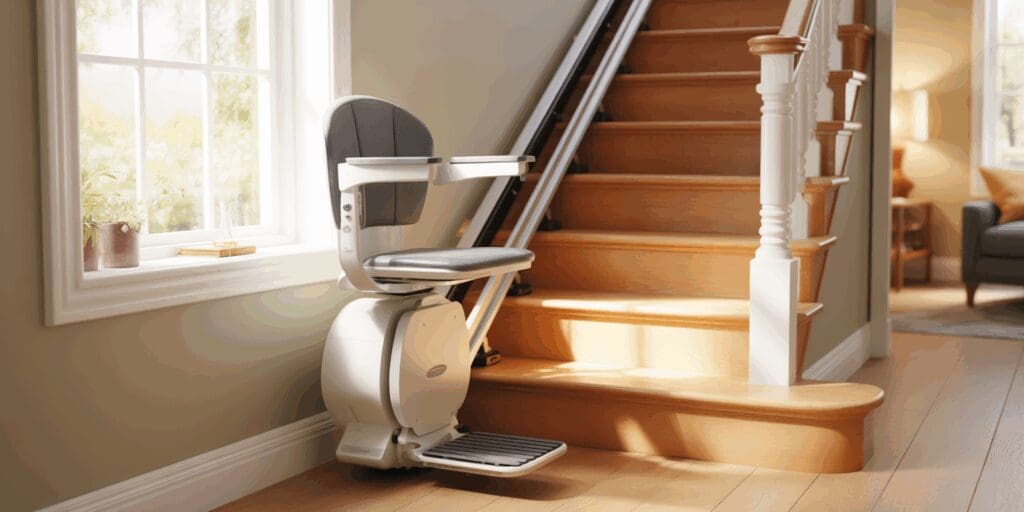
A stairlift doesn’t kill a house sale. For most buyers it’s a minor talking point, not a deal breaker. Sometimes it even helps. The real question isn’t whether it puts people off. It’s whether to leave it in place, remove it, or hand the decision to whoever buys the house, and that depends on your property, your buyer pool, and how the lift itself looks and works.
If you’re staring at a stairlift wondering what to do with it before a sale, you’re probably torn between two instincts. One says take it out, because it signals “this house was set up for an elderly or disabled resident,” which might narrow your buyer pool. The other says leave it, because removing a functioning stairlift is its own cost and hassle. Both are reasonable. Here’s how to actually decide, and what changes depending on why you’re moving in the first place.
Table of Contents
What to Do With the Stairlift Depending on How You’re Moving
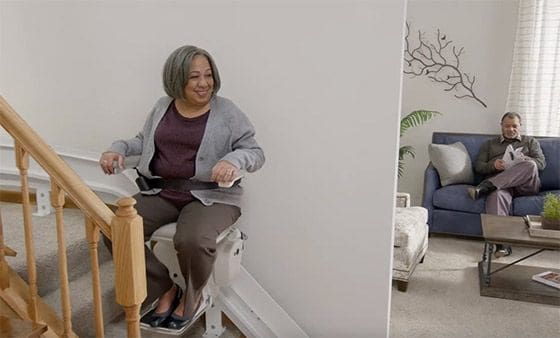
Most guides treat every house sale the same way. What you should actually do with the stairlift depends heavily on where you’re going and why. Five situations cover almost everyone.
Moving to another home that also has stairs
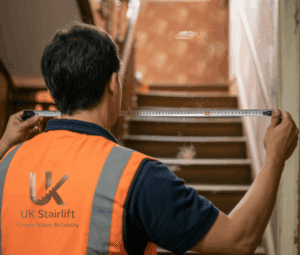
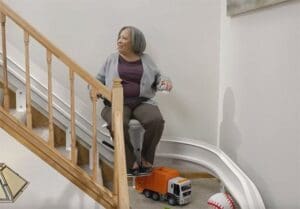
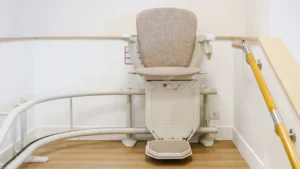
It’s tempting to think you can simply unbolt the stairlift and take it with you. Given what it cost, who wouldn’t want to? In reality, this rarely works. A stairlift is fitted after a survey that measures your specific staircase: its width, its angle, any doorways or obstructions along the rail’s path. Unless the new staircase is close to identical, the rail won’t fit, and a straight stairlift can’t simply be adapted onto a curved one, or the other way round. Some installers will survey both properties and give you an honest answer on whether reinstallation is realistic, but plenty won’t take on the liability of relocating a lift into a home it was never assessed for. It’s worth asking your original installer directly. Some offer a part-exchange arrangement instead, taking the old lift back and quoting for a new one at the destination.
Moving to a bungalow or a ground-floor flat
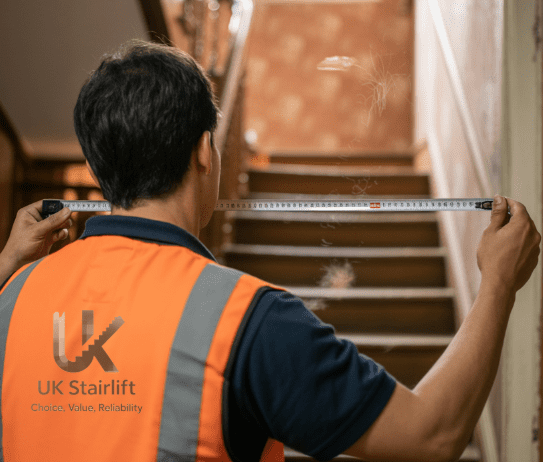
No stairs, no dilemma. Have the stairlift removed and either sold or recycled, depending on its age and condition. Straight stairlifts make up an estimated 70 to 80 percent of all installations, and that volume is exactly why they hold resale value far better than curved ones: curved rails are custom-built to one staircase and rarely fit another home, while a straight rail is a far more standard fit elsewhere. If you’re weighing up what a used stairlift is actually worth, our guide to new versus reconditioned stairlifts breaks down how that resale and refurbishment market works. A specialist removal company can usually work around your moving date, taking the lift out the day before completion or even on the morning itself if you’ve been relying on it right up to the end.
Selling a property after someone has passed away
This is a scenario nobody else covers properly, and it comes up more often than you’d think during probate. Once you’re in a position to sell, have the stairlift removed before photographs go up and the property is marketed. An empty, unoccupied-looking staircase generally photographs and shows better than one with a lift attached. If removal before listing isn’t practical, do it as early in the process as you reasonably can. And if you decide to leave it in place until a buyer is found, list it explicitly on the fixtures and fittings schedule once an offer is accepted, whether it’s staying or going, so there’s no dispute or surprise charge at completion.
Moving out of a rented or council property
This one hinges entirely on ownership. If you had the stairlift fitted privately, removing it before handing the property back is almost always your responsibility, and it’s worth asking your housing officer for a short extension if you need time to arrange it. If it was fitted through a council grant, check your position before doing anything. Ownership terms vary between local authorities. Some retain the right to reclaim the equipment once it’s no longer needed; others treat it as the resident’s asset from the point of installation.
Buying a house that already has a stairlift fitted
On the other side of this transaction, ask your solicitor to confirm in writing whether the stairlift stays as part of the sale before completion. If it does, and you don’t need it, get a removal quote before you move in rather than living around it. A stairlift left in place restricts things like moving furniture upstairs or decorating the staircase. If the seller is willing to leave it and it still has resale or reuse value, that’s often worth accepting even if you plan to remove it shortly after. It can be sold on rather than scrapped.
Does a Stairlift Put Buyers Off?

Generally, no, not to the extent people assume. Most buyers viewing a family home understand that previous owners had different needs. A stairlift reads the same way a stairgate or a downstairs shower room does: evidence of a previous life stage, not a defect. Zoopla’s own buyer research puts the share of purchasers who expect to make changes to a property after moving in above 60 percent, so a stairlift rarely lands as a fixed, final-state problem in the way people assume before they’ve thought it through.
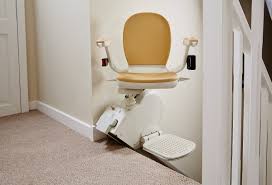
Presentation is what actually moves the needle, and UK and Irish estate agent surveys consistently back this up: cosmetic condition affects saleability far more than the presence of a removable fixture. A stairlift that’s clean, well maintained, and folded neatly against the wall when not in use reads as “well cared for house, sensible previous owner.” One that’s dusty, worn, or clearly unserviced reads as neglect, and that impression bleeds into how buyers judge the rest of the house, fairly or not. The one real exception sits at the very top of the market, where buyers are often chasing a blank canvas and any visible adaptation works against the aspirational feel estate agents try to create. If you’re selling a high end property, that’s the one scenario where removal genuinely tends to help.
It’s also worth knowing exactly what a buyer is looking at on viewing day, because the fear is usually bigger than the reality. A rail is bolted to the stair treads themselves, not the wall or the staircase’s structural frame, and a trained engineer can take the whole thing out in around an hour. What’s left afterwards is a handful of small screw holes, easily filled. Not a structural scar. Compare that to a through-floor lift or a full home lift, both of which involve genuine building work and are much harder to reverse. Once buyers understand the distinction, most of the hesitation about a stairlift specifically evaporates.
Should You Remove It Before Listing?
This comes down to three things: your target buyer, your budget, and your timeline. If your local buyer pool skews toward families or downsizers, the fact your home already has a stairlift can appeal directly to buyers who need one themselves, and removing it just means they’ll have to pay to put one back. That’s a bigger pool than people assume. Over 90 percent of older people in the UK live in mainstream housing rather than specialist accessible accommodation, according to the Centre for Ageing Better, so buyers looking for a home that already suits their mobility needs aren’t a niche edge case. In markets with an older demographic, or bungalow-heavy areas, leaving it in can be a genuine selling point rather than something to apologise for.
If you’re removing it purely to appeal to a broader, younger buyer pool, weigh the actual cost against the actual benefit. Industry estimates put stairlift removal at roughly £150 to £400 depending on complexity, including making good the small fixing holes in the stair treads, and most reputable installers offer this as a standalone removal service even if they didn’t originally fit the lift. That’s manageable, but it’s not free, so it’s worth checking with your estate agent whether removal is genuinely going to move viewings and offers, or whether you’re solving a problem that exists mostly in your own head.
The middle option, and often the sensible one, is leaving the stairlift in place but making clear in the listing and during viewings that removal is straightforward and can be arranged, either by you before completion or by the buyer after. This removes the anxiety without forcing a decision before you know who’s actually buying the house.
How to Present a Stairlift Positively During Viewings
Treat it like any other fixture you want to show well. Have it serviced and cleaned before the first viewing. Make sure it folds away properly and doesn’t obstruct the staircase when parked. If you have the original installation paperwork, warranty information, or servicing history, have it ready. A buyer who sees a maintenance record feels reassured rather than alarmed, because it tells them the lift works and has been looked after, not that it’s been quietly deteriorating in the background.
Brief your estate agent directly, too. An agent who can confidently answer “is the stairlift staying?” and “how easy is it to remove?” keeps the conversation practical. One who’s caught off guard by the question turns a non-issue into a moment of doubt.
What Buyers Actually Want to Know
Most buyer questions about an existing stairlift are practical, not emotional. They want to know whether it’s staying or going, whether it’s under warranty or has a service history, and roughly what it would cost to remove if they don’t want it. None of these are difficult to answer if you’ve prepared for them. Answering confidently does more for buyer confidence than the stairlift’s presence or absence ever will.
Frequently Asked Questions
Does having a stairlift reduce my house’s value?
Rarely. Buyers generally treat it as a removable fixture, not a structural issue, and in areas with an older buyer demographic it can even read as an added convenience.
Is it better to remove the stairlift before selling?
Depends entirely on your buyer pool. Family and downsizer markets: leave it, it often works in your favour. High end markets chasing a blank canvas feel: removal tends to help.
How much does it cost to remove a stairlift?
A few hundred pounds, typically, covering the rail, the seat, and making good the small fixing holes left in the stair treads. Most installers offer this as a standalone service, even ones who didn’t fit your lift originally.
Can I leave the decision to remove the stairlift up to the buyer?
Yes, and it’s often the smartest route. Say in the listing that removal can be arranged before completion or after, by agreement, and you avoid forcing a decision before you know who’s actually buying the place.
Can I take my stairlift with me to my new house?
Usually not. The rail is fitted to match one specific staircase, so unless your new stairs are close to identical in width and layout, it won’t simply bolt on again. Ask your original installer whether relocation is realistic before assuming it is.
What should I do with a stairlift when selling a deceased relative’s house?
Have it removed before the property goes on the market if you can, since it tends to photograph and show better without it. If that’s not possible before listing, arrange removal as early as you’re able, and put it explicitly on the fixtures and fittings list once you’ve accepted an offer.
If you’re weighing up removal as part of a sale, get a straightforward quote for the work before you decide. The number you’re working with should be real, not assumed.