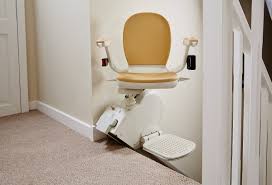
Stairlifts are mechanical devices with a battery, a motor, a gearbox and a set of sensors, all of which wear gradually over years of daily use. Most people never think about servicing until something stops working, at which point it’s a repair rather than routine maintenance, and repairs almost always cost more and take longer to arrange than a scheduled service would have.
None of this is complicated. A stairlift that’s serviced properly runs for well over a decade without major issues. One that isn’t tends to develop the same handful of faults, usually around the same three or four year mark, that a five minute check would have caught early.
How Often Does a Stairlift Need Servicing?
Once a year, as a general rule, for a lift in ordinary domestic use. If several people share the stairlift, or it’s used more than the typical four to six times a day, six-monthly servicing is worth considering instead, since the extra use accelerates wear on the same schedule you’d expect from a lift working roughly double the hours.
Most new stairlifts come with servicing included for the first year or two as part of the warranty. After that, you either book annual visits directly with the manufacturer or installer, or take out an extended warranty that bundles servicing with parts cover. Reconditioned models are worth servicing slightly more often in the early stages, simply because you don’t have the same manufacturing history on that specific unit that you would with a lift bought new.
What Happens During a Service
An engineer checks the things you can’t easily check yourself. The battery gets tested under load rather than just switched on, since batteries can hold a surface charge while still being close to failure. The drive mechanism, whether that’s a rack and pinion system or a chain drive, gets inspected for wear and re-lubricated. Safety sensors along the rail, which stop the lift if they detect an obstruction, get tested individually to confirm they’re still triggering correctly.
On curved models specifically, the engineer pays particular attention to the joints where the rail changes angle, since these sections carry more mechanical stress than a straight run and are the first place misalignment tends to show up. Our guide to curved stairlift costs covers why that bespoke rail geometry matters so much to begin with, and it’s the same complexity that makes regular servicing more important on curved lifts than straight ones.
Seatbelt and harness mechanisms, footrest folding hinges, and the armrest controls all get a working check too. None of these individually take long, but skipping them is exactly how a stairlift ends up failing in a way that was entirely preventable.
What It Costs
Expect to pay somewhere between £80 and £150 for a standalone annual service call-out once any included warranty period has ended, with curved stairlifts sitting toward the upper end given the extra time needed to check multiple rail sections. Some installers offer service plans for £250 to £320 a year that bundle a routine visit with priority call-out and discounted parts, which tends to work out cheaper than paying for breakdowns individually if anything does go wrong between visits.
If your stairlift was bought VAT-free under the disability exemption, servicing and repairs stay zero-rated too, for as long as the same eligible person is using the lift. That’s worth mentioning to whoever you book with, since it isn’t always applied automatically.
What Affects Stairlift Service Cost
The £80 to £150 figure above is a starting point, not a fixed price, and a handful of factors move it up or down. Straight versus curved is the biggest one, since a curved rail simply takes longer to check properly. Whether you’re paying per visit or on a service plan matters too, as does the manufacturer, since some brands only allow their own engineers to service their equipment, which can carry a premium over an independent callout.
Distance from the installer’s base can factor into the price as well, particularly in more rural areas, and anything booked outside normal working hours as an emergency callout will cost more than a scheduled daytime visit. Age matters too in an indirect way. An older stairlift out of warranty is more likely to need a part replaced during a service than a newer one still well within its expected lifespan, and parts are billed separately from the labour cost of the visit itself.
| Service Type | Typical UK Cost (2026) |
|---|---|
| Standalone service, straight stairlift | £80 to £120 |
| Standalone service, curved stairlift | £100 to £150 |
| Annual service plan, straight stairlift | £250 to £280 |
| Annual service plan, curved stairlift | £280 to £320 |
| Emergency out-of-hours callout | £100 to £200 on top of any parts needed |
| Replacement battery, supplied and fitted | £80 to £150 |
A service plan tends to work out more cost-effective than paying per visit if you’d otherwise be tempted to skip a year here and there, since it bundles the annual check with priority callout and often a discount on parts. If you’re confident you’ll book every visit on time regardless, paying standalone each year can end up marginally cheaper over the life of the lift, though the difference is usually small once you account for the priority callout most plans include.
Warning Signs Between Services
You don’t need to wait for the annual visit if something feels different. A handful of signs are worth acting on straight away rather than waiting it out.
- A change in noise, particularly grinding, clicking, or a whine that wasn’t there before
- The seat moving noticeably slower, or hesitating, at a particular point on the rail
- The battery indicator dropping faster than it used to between charges
- Any jerking or unevenness in the ride, rather than a smooth start and stop
- A charging point that no longer lines up properly when the lift parks
Most manufacturers and installers offer a call-out line specifically for this kind of concern, separate from booking a routine annual service. Use it. A five minute phone call describing what’s changed is far cheaper than letting a small issue turn into the lift breaking down entirely, particularly if you rely on it several times a day.
What You Can Check Yourself
A few things are worth doing between professional services, none of which require any tools or technical knowledge. Wipe the rail down occasionally with a dry cloth, since dust and household debris build up over time and can interfere with the smooth running of the carriage. Keep the area around the parking points at the top and bottom of the stairs clear, so the lift can dock properly and charge without obstruction. If the seat, armrests or footrest have a habit of being left folded up or down incorrectly by other household members, get everyone in the habit of returning the lift to its resting position after use.
Beyond that, leave the mechanical side to a qualified engineer. Attempting to adjust the drive mechanism, sensors or electrics yourself risks both your safety and your warranty, and rarely saves anything meaningful compared with a proper service visit.
Servicing a Reconditioned Stairlift
Reconditioned stairlifts are worth a slightly closer eye in their first year or two, since the unit has a history you weren’t necessarily present for. A reputable supplier will have serviced and tested it thoroughly before resale and will typically offer at least a one year warranty, but it’s still sensible to book a check six months in rather than waiting the full year, just to catch anything the initial refurbishment might have missed under real daily use. We’ve covered the wider trade-offs between new and reconditioned models, including warranty terms, in our guide to reconditioned versus new stairlifts.
When Repair Becomes Replacement
Most faults on a well-maintained stairlift are minor and cheap to fix. Occasionally, usually somewhere past the ten year mark, a repair quote comes back close to the cost of a reconditioned replacement unit, at which point it’s worth asking directly whether repairing the old lift still makes financial sense. An honest installer will tell you if you’re at that point rather than continuing to bill you for repairs on a lift that’s genuinely reaching the end of its practical life. If a like-for-like replacement or a full new installation turns out to be the better option, our guide to how long installation takes covers what to expect on timing, and if the old unit needs taking out first, that’s covered separately in our stairlift removal guide.
Frequently Asked Questions
Is servicing compulsory?
Not legally, but it’s usually a condition of keeping any warranty or service plan valid, and skipping it significantly increases the chance of an unexpected breakdown further down the line.
How long does a typical service take?
Usually 30 to 45 minutes for a straight stairlift, slightly longer for curved models where the engineer needs to check multiple sections of rail and the joints between them.
Can I service my own stairlift?
Basic cleaning and keeping the rail and parking points clear is fine to do yourself. The mechanical and electrical checks need a qualified engineer, both for safety and to keep any warranty intact.
What if my stairlift battery won’t hold charge?
Stairlift batteries typically last three to five years before needing replacement. If yours is dropping charge noticeably faster than before, book a call-out rather than waiting for the annual service, since a failing battery can leave you stranded partway through a journey.
How much does it cost to service a stairlift?
A standalone annual service typically costs £80 to £150 depending on whether your stairlift is straight or curved. Many installers also offer service plans from around £250 to £320 a year that bundle the visit with priority callout and discounted parts.
Is a stairlift service plan worth it?
For most households, yes, mainly because it guarantees the annual visit gets booked and usually includes priority callout if something goes wrong between services. If you’re confident about booking a standalone visit every year without fail, paying per visit can work out marginally cheaper, but the difference is generally small.
How much is an emergency stairlift callout?
Expect to pay in the region of £100 to £200 for an out-of-hours or emergency callout, on top of the cost of any parts needed. Service plans that include priority callout can reduce or remove this charge, which is worth checking when you compare plans.